



SMC Insurance
Welcome to SMC.
How may I assist you?
by on Friday, 21 November 2025


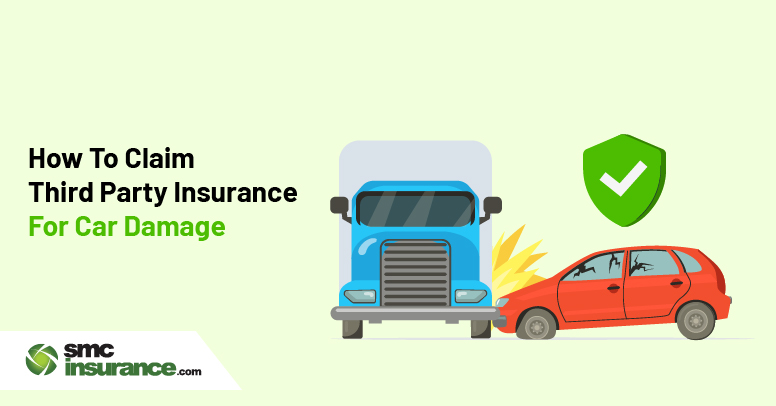
To file a third-party claim, report the accident to the police and get an FIR. Collect details such as vehicle numbers, licences, photos, and witness information. The affected person must file the claim with the Motor Accident Claims Tribunal along with all supporting documents. The insurer reviews the case, and the tribunal decides the final payout. Third-party insurance covers injury, death, or property damage caused to someone else, but it does not cover your own car.
There will be days when everything you did went just right. And a day for another person when anything they did that day went wrong. On such a day, when an accident happens and the damage comes from someone else’s driving, the whole process can feel like sorting a fresh mess on a crowded table. You want to act quickly, yet your mind jumps between tasks. Do you collect details first? Take a few photos? Call someone? And how do you make sure the other driver’s insurance company is prompt during the claim process, without turning it into a long back-and-forth?
Questions like these tend to linger, even after the cars roll away. Would a clear plan make the whole thing easier to face?
If you want a steady guide that shows how a third party claim moves from the first exchange at the scene to the final approval, the article below walks through each part in a calm, practical way.
If you own a car, you’ll have heard of third-party car insurance. Simply put: it covers someone else’s losses if your car causes harm to them or their property. Under the Motor Vehicles Act, 1988 this cover is mandatory in India before you can legally drive your vehicle on the road.
Because it focuses solely on the “other party”, it does not protect your own vehicle from damage or your own medical bills. That’s an important point.
Imagine you’re driving and, unfortunately, an accident happens in which your car is at fault. A pedestrian is hurt, or another vehicle is damaged. In that case, the third-party insurance cover becomes relevant. On the flip side, if the accident happens to you because of someone else’s fault, the other party’s third-party cover may apply to you.
In short: either way, there’s someone whose legal rights may need protecting and that’s where things begin.
Here’s a breakdown of the usual process, something the team at SMC Insurance walks clients through so you’re not left wondering what to do.
Covered under third-party insurance
Not covered
At SMC Insurance, we know that claims don’t always run smoothly. A few common headaches:
That’s why it’s wise to work with someone who can guide you step by step. We help you understand documentation, set expectations on timelines, and make sure you’re prepared if you need to initiate or respond to a claim.
Here are some simple tips for you to remember:
Having a third‐party car insurance policy is your safety net for someone else’s accident costs, which otherwise could hit you hard. But the cover has limits. It won’t fix your own car or pay for you being injured. Claims under this cover often involve legal steps and can take time.
If you’re driving a vehicle and want peace of mind, talk to us at SMC Insurance. We’ll walk through your policy, help you understand what’s covered and how to act if something happens. With the right plan and proper support, you’re better equipped for whatever the road brings.
Disclaimer: The information provided on this platform is intended for general awareness and educational purposes. While every effort is made to ensure accuracy, some details may change with policy updates, regulatory revisions, or insurer-specific modifications. Readers should verify current terms and conditions directly with relevant insurers or through professional consultation before making any decision.
All views and analyses presented are based on publicly available data, internal research, and other sources considered reliable at the time of writing. These do not constitute professional advice, recommendations, or guarantees of any product’s performance. Readers are encouraged to assess the information independently and seek qualified guidance suited to their individual requirements. Customers are advised to review official sales brochures, policy documents, and disclosures before proceeding with any purchase or commitment.
No, it only pays for injuries or property damage caused to someone else. To cover your own car, you need a comprehensive plan.
File an FIR as soon as you can and collect basic details like vehicle numbers, licences, and photos of the scene.
These claims often move through a tribunal, so the process can be slow. The duration depends on how quickly fault is settled and documents are verified.
SMC Insurance Brokers Pvt. Ltd.
SMC Metro Mall, Near Pratap Nagar Metro Station, Pratap Nagar, New Delhi-110007
Registration No: 289, Registration Code No: IRDAI/DB-272/04/289, Valid till: 27/01/2029, License category: Composite Broker, CIN: U66000DL1995PTC172311
Insurance is the subject matter of solicitation.
Visitors are hereby informed that their information submitted on the website may be shared with insurers.
Product information is authentic and solely based on the information received from the Insurer.
